 ApexGamerVerse
Overwatch 2's Hero Access Controversy Compared to Apex Legends
Overwatch 2's shift to a free-to-play model with battle pass restrictions on heroes like Kiriko sparks player backlash, contrasting sharply with Apex Legends' accessible approach.
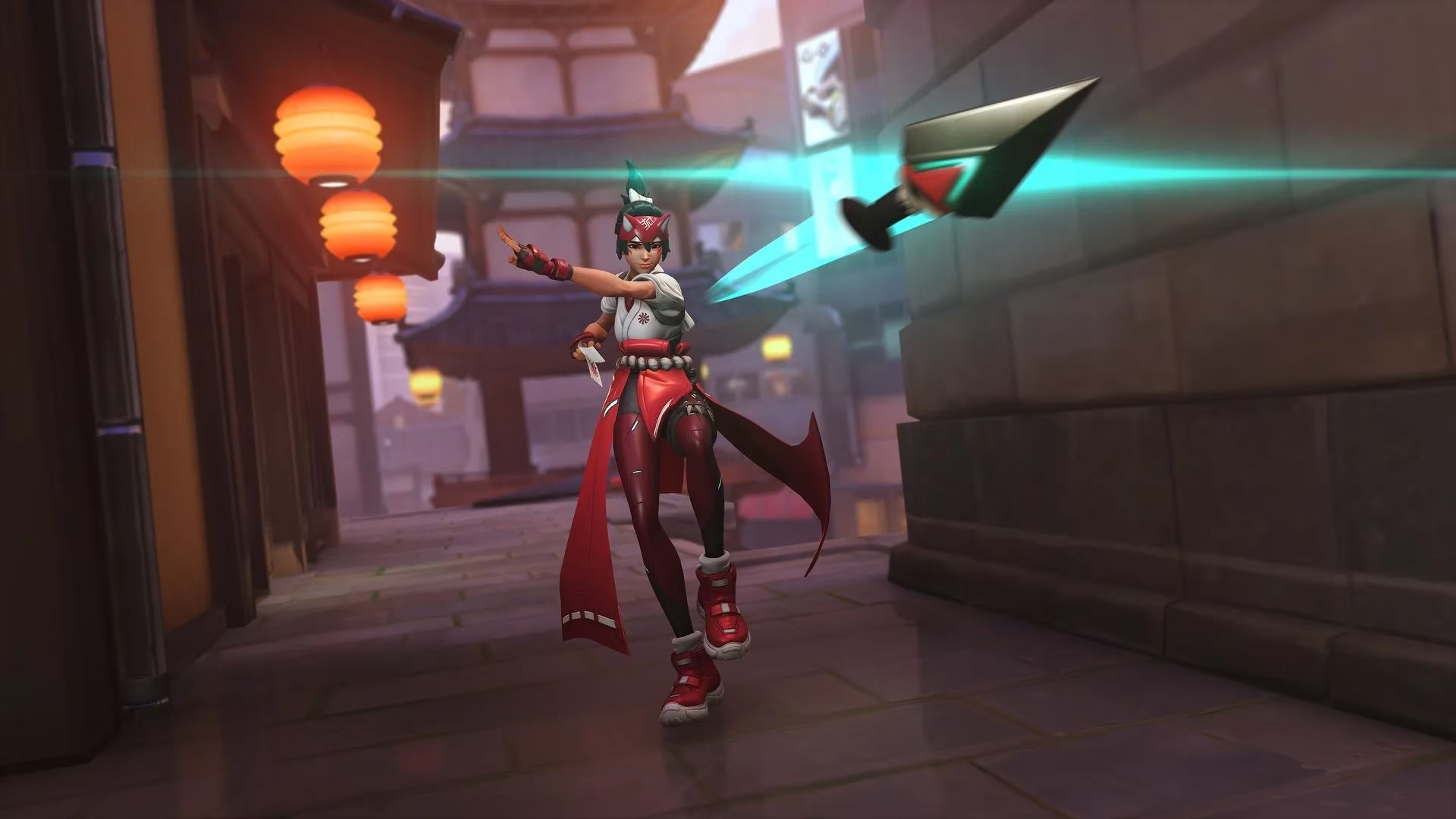
The launch of Overwatch 2 in October 2022 marked a seismic shift for Blizzard's flagship hero shooter, transitioning to a free-to-play model that fundamentally altered character accessibility. Where the original Overwatch granted all heroes freely upon acquisition, its sequel introduced a contentious battle pass system locking new support hero Kiriko behind either a $10 premium purchase or an arduous grind to level 55 on the free track—a decision that sparked immediate backlash among veteran players. For those who cherished Overwatch's egalitarian approach, this monetization strategy felt like a betrayal, forcing free players to either grind relentlessly or face competitive disadvantages until season 2. 😔 The sting was particularly sharp when remembering how effortlessly we'd experimented with every hero in the original game's golden days.
The Grind Gate Dilemma
Blizzard's implementation created a three-tiered access system for Kiriko:
-
Founders (original Overwatch owners) received instant access 🎁
-
Premium Battle Pass buyers unlocked her immediately 💳
-
Free players required 55 levels of progression (~15-20 hours) ⏳
This design clashed violently with Overwatch's core DNA—a game built on tactical counter-picks and team composition flexibility. Suddenly, free players found themselves handicapped in matches where Kiriko's cleansing suzu or teleportation could swing fights. The frustration wasn't just about time investment; it was about fractured competitive integrity. Many recalled matches where lacking Kiriko against specific ultimates felt like bringing a knife to a gunfight 🔫.
Apex Legends: A Masterclass in Accessibility
Respawn Entertainment's approach in Apex Legends offered stark contrasts:
| Feature | Apex Legends | Overwatch 2 |
|---|---|---|
| Base Heroes | 7 free at start 🆓 | All existing heroes free ✅ |
| New Hero Unlock | Legend Tokens (free currency) 💰 | Battle pass grind/paywall 🔒 |
| Acquisition Time | ~20hrs per hero ⏱️ | ~20hrs for ONE hero (Kiriko) 😫 |
| Legacy Access | Always available via tokens 🔄 | Season-locked ❌ |
Apex launched without battle passes, focusing purely on addictive gameplay to hook players. By the time monetization expanded, most had stockpiled enough Legend Tokens (earned simply by leveling up) to freely unlock new characters. This player-first philosophy fostered tremendous goodwill—something Overwatch 2 desperately lacked during its rocky transition. The bitterness among veterans was palpable; we'd defended Blizzard through controversies, only to feel nickel-and-dimed for basic gameplay tools that were once birthrights.
Competitive Consequences & Player Exodus
The repercussions extended beyond frustration:
-
🤯 New players faced overwhelming progression walls before accessing meta heroes
-
🧩 Team compositions suffered when critical counters were paywalled
-
📉 Casual players abandoned matches knowing they lacked essential tools
Unlike Apex where legends are interchangeable pieces, Overwatch's rock-paper-scissors balancing made missing even one hero feel crippling. During season 1's tank-heavy meta, lacking Kiriko's ultimate-shutting abilities often meant automatic losses—a design flaw that drove many toward competitors like Gundam Evolution. The irony was brutal: a franchise once celebrated for accessibility now felt predatory.
The Path Forward in 2025
Three years later, Blizzard's incremental fixes—like eventually adding legacy hero tokens—feel like band-aids on a self-inflicted wound. While Sojourn and Junker Queen's free availability showed glimpses of the old spirit, Kiriko's handling revealed uncomfortable truths about prioritizing profits over playability. Personally, I dream of a future where Blizzard fully embraces Apex's model: showering players with free currency for engagement rather than holding gameplay hostage. 🕊️ The magic of Overwatch always lived in its chaotic, creative team dynamics—something impossible when heroes remain locked behind artificial barriers. Here's hoping 2025 brings a renaissance where the joy of switching heroes mid-match isn't a luxury, but a given once more. After all, what's a hero shooter without its heroes?